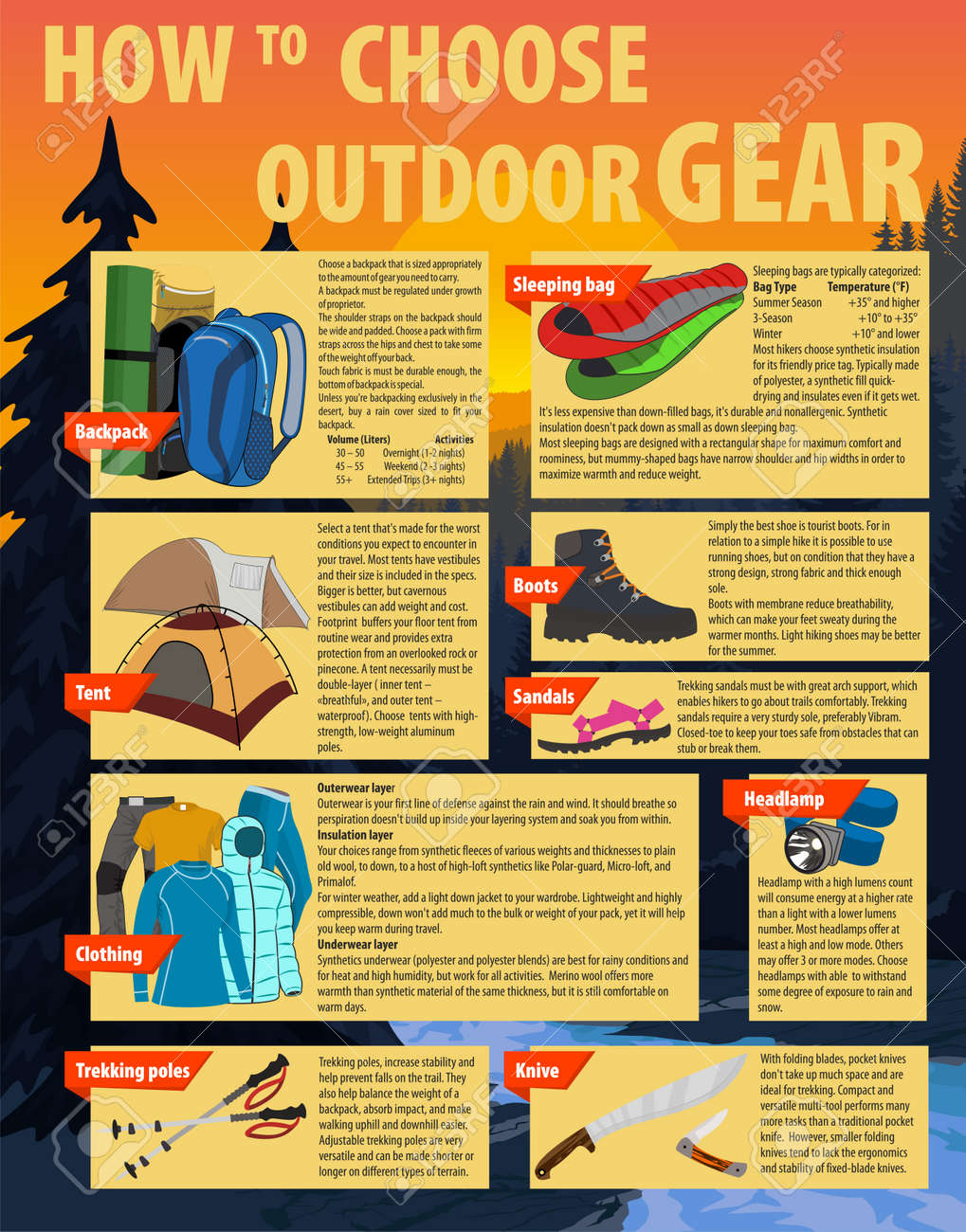
When you buy a high-end camping outdoor tents, you're spending for more than added room and luxurious interiors-- you're spending for security. Whether you're glamping in the Scottish Highlands or setting up a base camp in the Rockies, rainfall and wetness are your most significant adversaries. The most effective high-end tents different themselves from the pack not simply by looks however by how smartly they manage water. Here's a deep study the water resistant features that genuinely matter when you're investing serious money on a tent.
Hydrostatic Head Rankings: The Foundation of Waterproofing
Every serious outdoor tents purchaser should recognize hydrostatic head (HH) scores. This dimension tells you how much water stress a fabric can hold up against before it leakages. A common camping outdoor tents might supply 1,500 mm HH, however luxury camping tents generally begin at 3,000 mm and frequently reach 5,000 mm or greater.
For a premium experience, look for tents rated at least 3,000 mm on the rainfly and 5,000 mm on the floor. The flooring endures even more pressure-- from ground dampness, standing water, and your body weight-- so a higher flooring rating is non-negotiable in a top quality camping tent. Top-tier brand names typically make use of silicone-coated ripstop nylon or polyester with dual-side treatments to press ratings also higher without including significant weight.
Taped and Bonded Seams
A material can be flawlessly water resistant while its joints leak like a filter. In luxury camping tents, every seam ought to be either fully taped or thermally welded. Taped joints use a slim waterproof tape adhered over sewing to seal the needle holes. Bonded seams go one action better by heat-bonding fabric panels along with no sewing whatsoever, developing a completely bulletproof obstacle.
Critical Seam Zones to Check
Pay close attention to the seams around the camping tent door zippers, the base of the rainfly, and any kind of seam running along the roof covering ridge. These high-stress, high-exposure areas are where low-cost outdoors tents fail first. In a high-end outdoor tents, these zones ought to get enhanced tape or double-welded therapy.
Rainfly Design and Protection
An inadequately designed rainfly can defeat also the most effective waterproof material. Deluxe outdoors tents feature full-coverage rainflies that prolong short on all sides, usually with adjustable tension systems to ensure the fly never sags and pools water. Pooled water includes weight and stress, at some point compeling its way with even quality products.
Vestibule Dimension and Geometry
Costs outdoors tents consist of generously sized vestibules-- those covered porch-like areas at the entrance-- that keep rain away from zippers and enable you to get rid of damp equipment prior to getting in. Look for vestibules with steep pitch angles that shed water rapidly instead of flat styles that gather it. Some high-end designs provide twin vestibules, one on each side of the outdoor tents, supplying different damp and completely dry zones for gear storage.
Water-proof Zippers
Criterion coil zippers are a surprise weak point in many tents. Water tracks directly down the zipper teeth and pools at the base of the door. High-end camping tents address this with water resistant zippers-- either YKK AquaGuard or similar sealed-tooth systems-- that avoid water infiltration along the whole closure. These zippers cost even more to make yet are dramatically more reputable in continual rain.
When buying, likewise search for zipper garages: tiny textile flaps that cover the zipper pull and teeth from above, including another layer of defense at a marginal price.
Bath Tub Floor Construction
The flooring of a deluxe outdoor tents must use what's known as a bathtub building and construction, where water-proof flooring product wraps several inches up the tent wall surfaces prior to linking to the breathable mesh inner body. This design protects against ground water from wicking up via floor-wall joints, one of the most usual sources of wetness invasion throughout hefty rain.
Floor Product Density
High-end tents use larger denier textiles on the floor-- generally 70D to 150D-- compared to the lighter materials utilized on the walls and fly. Thicker textile stands up to abrasion from rocky terrain and leak from sticks and stones, both of which compromise waterproofing with time. Some camping gear ultra-premium brand names include a factory-applied long lasting water repellent (DWR) finish to the flooring too.
Air flow as Part of Waterproofing Approach
Counterintuitively, excellent air flow is necessary to a water resistant camping tent experience. Without adequate airflow, condensation accumulates on interior surfaces and drips down on resting owners-- producing a "dripping" feeling from moisture that never ever came through the material at all. Deluxe camping tents balance waterproofing with strategic mesh panels and flexible vents in the rainfly that enable humid air to escape while maintaining rain out.
Final Thoughts
When assessing a luxury outdoor camping outdoor tents, waterproofing should have as much scrutiny as square video footage or weight. The very best tents incorporate high hydrostatic head rankings, sealed joints, full rainfly coverage, water resistant zippers, and a proper bath tub floor right into a natural system where every component enhances the others. Buy from brand names that publish their requirements openly-- openness about HH scores and joint building is itself a mark of quality.